


FINRA`s GenAI Wake-Up Call: What Compliance Teams Need to Do Now

When FINRA dedicates a standalone section to generative AI (GenAI) in its 2026 Annual Regulatory Oversight Report, it’s not experimenting with headlines. It’s signaling something much bigger.
GenAI has crossed the line from innovation to regulated infrastructure. And once a technology becomes infrastructure, it becomes examinable.
FINRA isn’t questioning whether firms should use GenAI. It’s making clear that if you do, you must govern it, and be prepared to evidence that governance when examiners come knocking.
GenAI Adoption is Outpacing Compliance Oversight
The most common GenAI use case across FINRA member firms remains summarization and information extraction. That sounds harmless enough.
But the 2026 report identifies more than a dozen use cases, including conversational AI, sentiment analysis, and communications drafting, up from just three the prior year. That expansion matters.
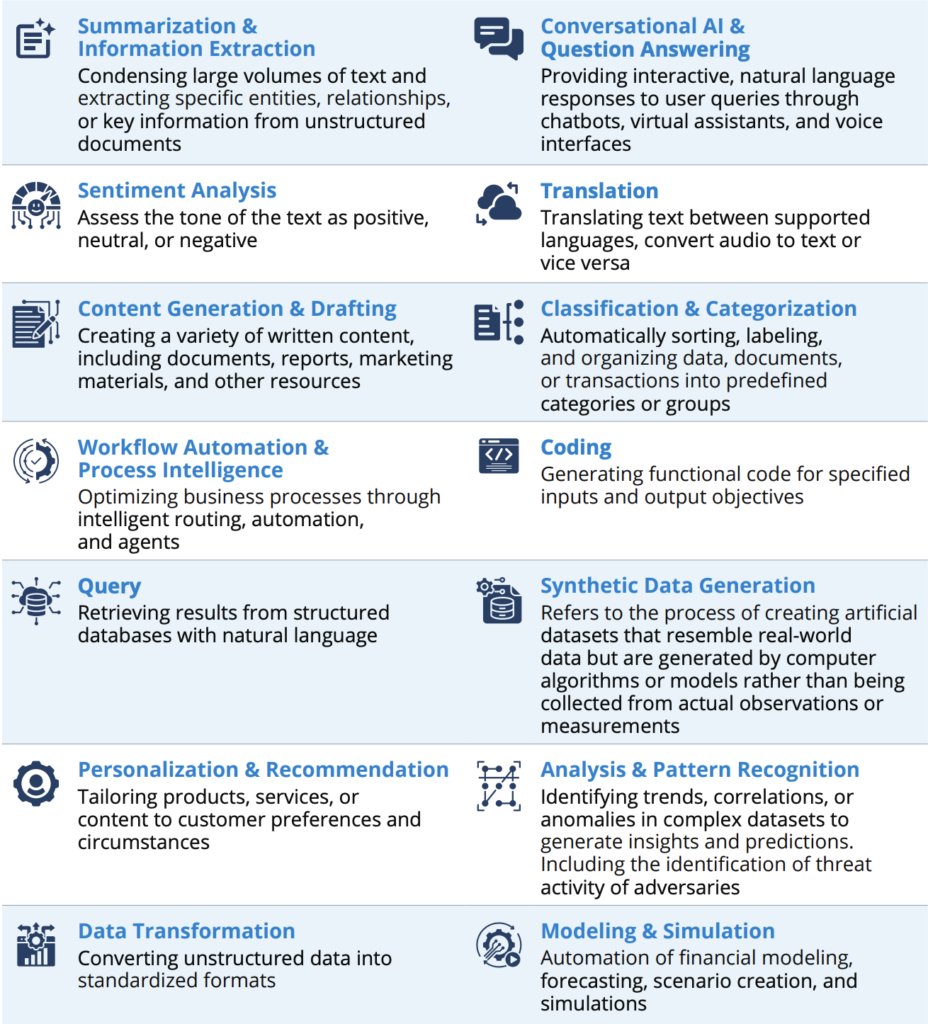
Because as those use cases move closer to regulated functions, the regulatory exposure increases with them.
FINRA is explicit: “Using GenAI can implicate rules regarding supervision, communications, recordkeeping, and fair dealing.”
In other words: if GenAI touches a regulated function, it inherits regulated obligations.
AI Compliance Risk: What Firms are Missing
Ask most compliance teams how GenAI is being used across their firm and you’ll likely get an incomplete answer. Not because they’re disengaged, but because visibility is hard.
Shadow AI is real. Employees experiment with consumer tools and browser extensions constantly. Vendors quietly embed AI features into existing platforms. Capabilities evolve faster than governance reviews.
The result? A sprawling AI footprint that no one has fully mapped, classified, or tested for regulatory exposure.
FINRA highlights model risks that go beyond theory. Hallucinations — where a model generates inaccurate information but presents it confidently — aren’t just technical glitches. In a compliance context, they create liability.
A model that misinterprets a rule, misstates client data, or produces a flawed supervision output doesn’t absorb that risk. The firm does.
As the report notes, “Misrepresentation or incorrect interpretation of rules, regulations or policies or inaccurate client or market data can impact decision making.”
And when a compliance officer approves that output without documented review? The accountability sits squarely with the firm.
The external threat only amplifies this. Bad actors are weaponizing GenAI to generate deepfakes, fabricate documents, and craft increasingly sophisticated phishing attacks. Governance frameworks must address both internal use and external exploitation.
AI Agents: A New Governance Frontier
The 2026 report draws a meaningful distinction between standard GenAI tools and AI agents.
Agents don’t just respond to prompts. They act. They interact with systems, trigger workflows, retrieve data, and complete multi-step tasks, often with minimal human intervention.
That shift changes the risk calculus.
FINRA flags risks including agents operating without sufficient human validation, exceeding their intended authority, and producing reasoning paths that are difficult to trace and audit.
Traditional GenAI controls are not enough for agentic AI.
FINRA recommends governance frameworks tailored to each agent’s type and scope; defining permitted actions, logging decisions, establishing human-in-the-loop checkpoints, and implementing guardrails to prevent drift beyond intended boundaries.
This isn’t incremental supervision. It’s architectural oversight.
What FINRA is Signalling About Generative AI Governance
If Regulatory Notice 24-09 reminded firms that existing rules apply regardless of technology, the 2026 report advances the conversation.
These are the three themes stand out.
Governance First
Enterprise-level supervisory processes must precede deployment, not follow it. Review and approval processes should involve business and technology stakeholders, with clear ownership of each tool and its associated risks assigned to a defined individual or function.
Human Judgment Remains Central
GenAI can augment decision-making. It cannot replace accountability. Where AI informs supervision or client-facing activity, meaningful human review is required. As autonomy increases, so must oversight protocols and guardrails.
Evidence is the Real Control
Policies describe intent. Evidence demonstrates action.
FINRA emphasizes storing prompt and output logs, tracking model versions, validating outputs, and documenting human-in-the-loop review. That’s not technical housekeeping — it’s exam defense.
This is where governance frameworks like the NIST AI Risk Management Framework become practical tools, not theoretical references. They provide structured approaches to risk identification, validation, monitoring, and accountability — exactly the pillars examiners will scrutinize.
FINRA Exam Readiness: How to Prepare Now
Examiners won’t stop at “Do you have a GenAI policy?”
They will ask:
- How were GenAI-informed decisions supervised?
- Where is the documentation?
- Who reviewed the output?
- Which model version was used?
- What controls were in place at the time?
Firms should be taking three immediate steps.
- Start with an inventory.
Map every GenAI application across the enterprise — including embedded vendor tools and any agentic capabilities. Identify where they intersect with regulated functions. - Align governance with risk.
A tool drafting internal summaries does not carry the same regulatory weight as one influencing supervision decisions. Tiered, risk-based governance — with defined approval workflows and review cycles — ensures controls match exposure. - Treat vendor AI as your risk.
Many firms face greater exposure through third-party platforms than internal builds. Understand what AI your vendors deploy, how it’s governed, and what data it touches. FINRA’s reference to the NIST AI Risk Management Framework underscores that firms are expected to benchmark their approach against recognized standards.
For broader context on strengthening oversight across complex ecosystems, our analysis of operational resilience essentials explores how governance disciplines intersect.
GenAI is on the Exam Agenda – Is Your Firm Ready?
FINRA has moved GenAI from emerging technology to supervisory priority.
When a model influences a regulated decision, its output may itself become a record. That raises practical questions about archiving, surveillance coverage, and documentation.
Extending compliance surveillance infrastructure to cover AI-assisted decisions isn’t a future-state conversation. It’s an exam-readiness requirement.
Firms that treat GenAI like any other high-risk system, with defined governance, logged decisions, documented review, and defensible audit trails, will be positioned to respond with confidence.
GenAI isn’t going away. Regulatory scrutiny isn’t either.
The real question isn’t whether your firm is using generative AI. It’s whether you can show exactly how it’s governed.
Ready to assess your firm’s GenAI compliance posture? Contact us to learn how Shield helps compliance teams build the governance, evidence, and surveillance coverage that examiners expect – before they ask.
Related Articles

Lexicons, LLMs and AI Agents in Communications Surveillance: A practical guide to designing, testing, governing and modernizing communications surveillance using lexicons, LLMs and agentic AI


Subscribe to our newsletter
Gain access to exclusive insights, industry influencers, and thought leaders in
Digital Communications Governance and Archiving (DCGA).